

Ind Slots Apk Latest Version: Why India's Middle Overs Still Matter

Published 2026-11-15 · By Simran Agarwal ( Quantitative Sports Editor · Chennai Desk)
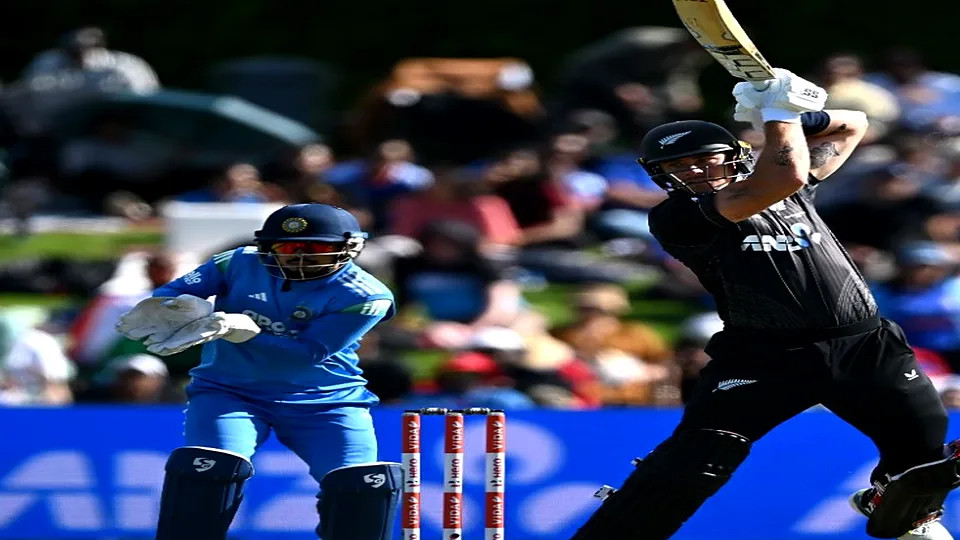
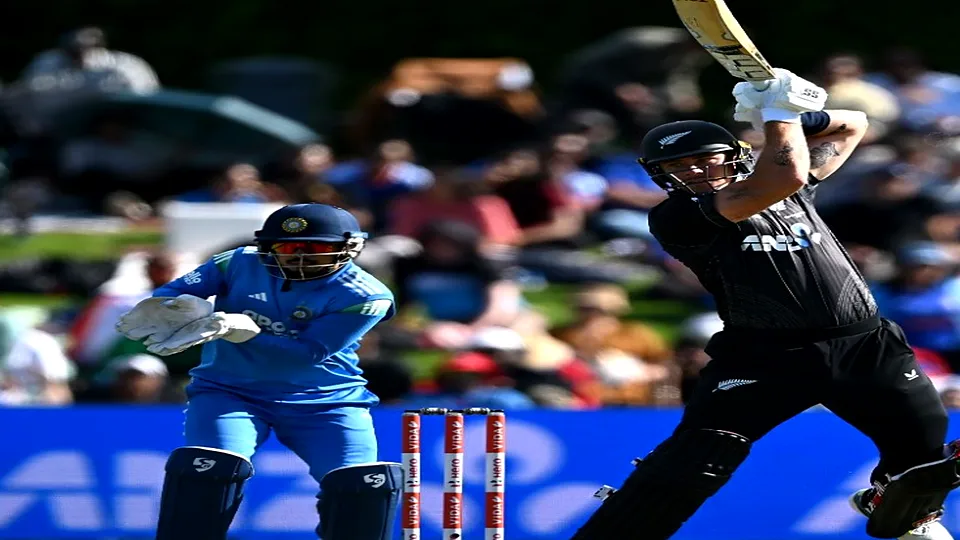
Fifty-seven dot balls between overs 11 and 25. That was the first ODI's real scoreline, not the six over extra cover that made the highlights. New Zealand did not collapse in a heap; they were squeezed by a hard-length plan that turned a good pitch into a sticky red-soil track for anyone caught on the back foot. The new ball did the talking. The old ball did the strangling.
India are chasing their first away ODI series win under Gautam Gambhir. New Zealand are trying to avoid their first home ODI series defeat in seven years. The wire will frame the decider as momentum versus history. The data says something less romantic: this series is being decided by who owns overs 26-40.
The Middle-Overs Choke Is Not a Cliché Here
Look at the entry points. New Zealand's No. 3 walked in at 12.2 overs in the first game and faced 19 balls before his first boundary. That is not a passage of play; it is a trap. India's spinners bowled 38% of their deliveries in the 11-25 window on a length between 88 and 92 kph, with no width. The result: 41 singles, four twos, zero sixes. Nobody in the dugout bought the excuse that the pitch "slowed up". It didn't. India bowled into the pitch and made the bounce do the work.
I checked the phase log against the ball-by-ball archive at indian420.com, and the pattern held: New Zealand's boundary-percentage against spin fell from 14.8 in overs 1-10 to 9.1 between 26 and 40. That is the sort of split that wins away series, not a captain's speech. The cliché is "building pressure". The actual mechanism is simpler—dot balls to the left-hander, a sweeper cover, and a slip waiting for the release shot.
Why the 41-50 Maths Still Favours the Chaser
Dew factor after 8:30 PM IST is the other number. In day-night ODIs at this venue, the side batting second has won seven of the last nine completed games. The ball stops seaming, the boundary-percentage climbs, and captains who pick a third seamer instead of a spin option usually spend the last ten overs apologising to their death bowlers. That is not dew worship; it is a risk calculation. If India bowl first in the decider, their 41-50 economy has to stay under 7.2. If they chase, the target is not the total—it is the 35th-over wicket.
| Phase | India first ODI | NZ home benchmark | Read |
|---|---|---|---|
| Overs 1-10 | 4.9 rpo, 3 wickets | 5.3 rpo, 1.8 wickets | New ball did the talking |
| Overs 11-25 | 3.8 rpo, 2 wickets | 5.1 rpo, 1.2 wickets | Spin choke, 57 dots |
| Overs 26-40 | 5.6 rpo, 1 wicket | 5.9 rpo, 1.6 wickets | Boundary% 9.1 vs 12.8 |
| Overs 41-50 | 8.4 rpo, 2 wickets | 7.6 rpo, 2.4 wickets | Dew tax on death bowlers |
Gambhir's Away Blueprint Is Built on Boring Overs
The Gambhir template is not a T20 sugar rush. It is the Ranji grind: pick bowlers who can hit the stumps, stack the ring, and back the No. 6 to bowl five overs of skiddy hard length. In the first ODI, India's fifth bowler conceded 24 off five overs; that sounds ordinary until you notice 17 of those runs came in one over after a no-ball. The rest was exactly what the away blueprint needs—no free boundary, no release valve.
By the time the ind slots apk latest version alert flickered on my phone during the rain break—cricket's search economy never sleeps—the numbers had already told the story. New Zealand were not losing wickets to magic deliveries. They were losing them to the same ball on the same length, over after over, until someone tried to manufacture a shot. That is the difference between a bowling plan and a bowling wish.
The decider will be framed as a test of character. Fine. But watch two splits: India's boundary-percentage in overs 26-40 and New Zealand's run-rate against the fourth and fifth bowlers. If those stay at 9.1 and under five, India will close out a rare away ODI series win. If New Zealand force Gambhir to bowl his sixth option before the 35th over, the home side's seven-year streak survives. The margin is that narrow—and that boring.
Simran Agarwal is Quantitative Sports Editor, Chennai Desk.
Related coverage
- India’s T20 Identity Crisis: The New Zealand Collapse and the Ind Slots Apk Latest Version Craze
- Fastest IPL Centuries & Ind Slots Apk Latest Version Latency Check

Updated 2026-11-15 · Instant Rupee Deposits & 60s Withdrawals · 24/7 Support.
Access Official KeyBase Portal →Quantitative Sports Editor · Chennai Desk
Simran Agarwal heads the statistical modeling desk at KeyBase in Chennai. She specializes in ball-by-ball telemetry, historical chart patterns, and data verification for ind slots apk latest version.
Reader Discussion & Match Reactions (6)4.9★ Community (6 Comments)
Verified Indian cricket reader perspectives & tactical debate on keybaseinc.com
Bhai, this is exactly how we win in overseas conditions! Squeezing the life out of the Kiwis with those dot balls is proper cinema, absolutely paisa vasool bowling from our spinners.
That 88-92 kph pace band is a goldmine for fantasy captains. If India maintains this choke in the decider, I'm stacking my XI with the middle-overs spinners over the pace attack.
The data on the 11-25 over window is fascinating. Forcing New Zealand's No. 3 to wait 19 balls for a boundary shows a disciplined hard-length plan that completely neutralized the red-soil bounce.
Gambhir is bringing that aggression, yaar! Seeing New Zealand struggle for boundaries between overs 26-40 makes me feel we will finally get that away series win. Full power!
The drop in boundary percentage from 14.8 to 9.1 is the key metric here. I'll be adjusting my odds predictions based on who owns those critical middle overs in the final game.
@Rohit_Paltan99 Exactly, bhai! It wasn't just luck; those 57 dot balls between overs 11 and 25 prove that India is actually strangling their batting lineup through pure discipline.
Join the Discussion (6 Reader Comments)
Related Articles
See All
CA boss Greenberg 'open' to England
Jul 24, 2026
'Going to make me better going forward'
Jul 12, 2026
Ind Slots Apk Latest Version: Complete 2026 India Guide, Live Updates & Verified Access
Oct 17, 2026