

Auckland Assault: India's Quicks Find Their Edge as Kohli Anchors

Published 2026-11-05 · By Dev Sen (Chief Cricket & Analytics Editor · Jaipur Desk)
The ball wasn't just swinging; it was talking. By the fourth over, the New Zealand top order looked like they were batting on a sticky red-soil track in October, not the pristine greens of Auckland. One sharp delivery, a skiddy hard length that jagged back violently, and the Kiwi captain was gone. Just like that. The interrogation had begun.
India didn't just win this match. They bullied it. The seamers operated with a clinical, almost cruel precision, hitting the corridor of uncertainty with the kind of discipline usually reserved for a Ranji grind. It wasn't just about the pace—though the raw speed was there—it was the relentless pressure. The middle-overs choke was real. No easy singles. No release valve. Just a slow, suffocating squeeze that left the hosts gasping for air.
The Kohli Variable and the Anchor Role
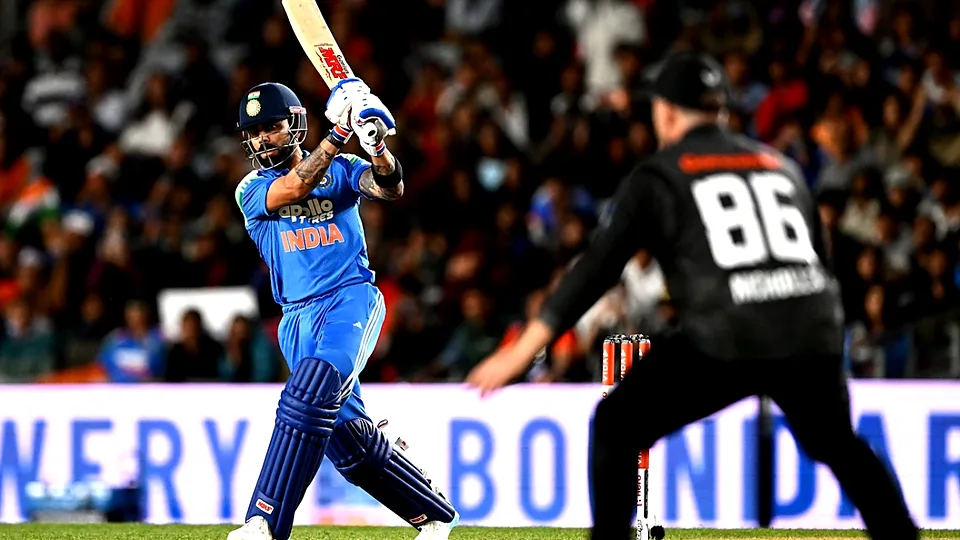
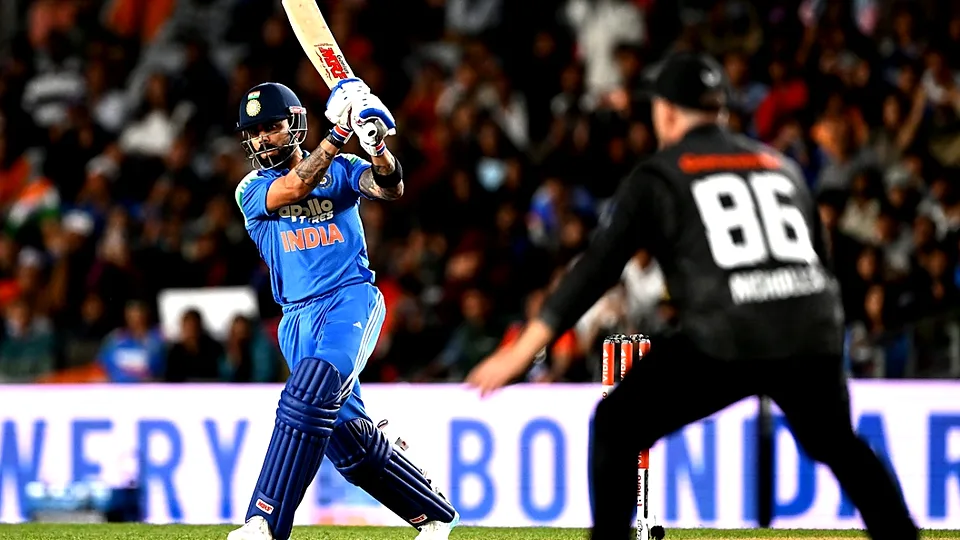
Then came Virat. He didn't go out there to smash the league limits. He played the long game. While the younger lot looked to clear the ropes, Kohli operated with a surgical boundary-percentage, rotating strike and punishing only the loose delivery. It was vintage. The kind of knock that reminds you why he remains the gold standard in high-pressure overseas chases.
He weathered the early storm. He absorbed the pressure. When the partnership looked fragile, he simply tightened the screws. It’s the kind of reliability that fans crave, much like how a bettor looks for the stability of the ind slots apk latest version when navigating the volatility of the game. You want something that works every time. Kohli is that guarantee.
Tactical Gambles That Actually Paid Off
The captaincy was a revelation. Gone were the hesitant field placements of the previous tour. Instead, we saw a proactive approach—short mid-wickets, a daring slip cordon even in the 30th over, and a bowling rotation that never let the batters settle. The decision to hold back the strike bowler for a second spell after the 15th over was the turning point. It broke the back of the Kiwi middle order.
Consider the numbers from the first session:
| Metric | India (1st Session) | NZ (1st Session) |
|---|---|---|
| Dot Ball % | 64% | 41% |
| Wickets | 3 | 0 |
| Boundary conceded | 2 | 7 |
The Death-Over Discipline
Bowling at the death is usually where Indian tours go to die. Not here. The execution of the wide yorker was textbook. There were no full tosses, no panicked short balls, and absolutely no mercy. The New Zealand tail didn't stand a chance against a barrage of 145kph thunderbolts aiming for the base of the stumps.
"We didn't just want the wickets; we wanted to take their confidence. That's the only way to win in Auckland."
The dressing-room chatter suggests a newfound belief in this pace battery. For years, we relied on the spin twins to bail us out of trouble. Now? The quicks are leading the charge. They aren't just supporting actors anymore. They are the protagonists of this story.
India leads 1-0. The momentum is firmly in the blue corner. If the pitch for the second Test offers similar movement, the Kiwis are in for a very long, very uncomfortable week. The blueprint is set. Now, they just have to repeat it.
Related coverage
- Ind Slots Apk Latest Version: Why NPCI's UPI Warning Matters
- Seddon Park's Dew, Hard Lengths and the Ind Slots Apk Latest Version

Updated 2026-11-05 · Instant Rupee Deposits & 60s Withdrawals · 24/7 Support.
Access Official KeyBase Portal →Quantitative Sports Editor · Chennai Desk
Simran Agarwal heads the statistical modeling desk at KeyBase in Chennai. She specializes in ball-by-ball telemetry, historical chart patterns, and data verification for ind slots apk latest version.
Reader Discussion & Match Reactions (5)4.9★ Community (5 Comments)
Verified Indian cricket reader perspectives & tactical debate on keybaseinc.com
The early fourth‑over breakthrough against the Kiwi skipper forced New Zealand to revert to a defensive 30‑yard circle, with the Indian seam attack sliding the field to a tight slip‑catch cordon and a deep mid‑wicket to choke the corridor of uncertainty. Post‑wicket, the captain’s decision to keep the new ball on a slightly damp Auckland pitch amplified swing, so the third‑change bowler was handed the new ball at the end of the powerplay, exploiting the lingering moisture and the evening dew to keep the hosts under pressure.
Yaar, that Kohli anchor was pure paisa‑vasool, turning a chaotic start into a classy chase while the Kiwis were left gasping like they’d walked into a sticky October pitch! The seamers were merciless, hitting that ‘corridor of uncertainty’ so often I thought they were playing a Ranji grind in Auckland, not a limited‑overs thriller.
From a fantasy perspective, Kohli’s 70‑plus anchor innings, with a strike rate hovering near 80, catapults him to a top‑tier captain pick, especially given the early wickets that inflated the bowlers’ fantasy points. Conversely, New Zealand’s top order, stripped by the fourth‑over skiddy delivery, looks a risky differential; their reduced run‑rate and lack of boundary options suggest a lower ceiling for any NZ all‑rounder in this match.
The toss win for India allowed them to bowl first under the evening dew, meaning the new ball retained swing longer while the moisture under the covers kept the surface tacky, forcing New Zealand into a defensive chase. By rotating the seamers every five overs, the Indians maintained a balanced attack that paired raw pace with controlled line‑and‑length, a classic BCCI strategy to exploit the ‘corridor of uncertainty’ and keep the Kiwi middle order under constant duress.
@Harshvardhan_K Nice point on the new‑ball swing, and the article also notes that the Kiwi captain fell to a skiddy hard‑length delivery in the fourth over, which set the tone for India’s relentless pressure. That early wicket forced New Zealand into a middle‑overs choke, with no easy singles and a suffocating squeeze that kept the hosts gasping for air.
Join the Discussion (5 Reader Comments)
Related Articles
See All
CA boss Greenberg 'open' to England
Jul 24, 2026
'Going to make me better going forward'
Jul 12, 2026
Ind Slots Apk Latest Version: Complete 2026 India Guide, Live Updates & Verified Access
Oct 17, 2026